

The Era of Precision Neuromodulation
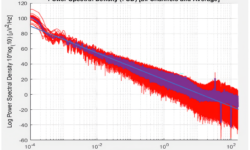
A paper titled “A New Era of Precision Neuromodulation in Psychiatry” has just appeared in the journal JAMA Psychiatry, and it makes the case that precision neuromodulation is the new frontier in psychiatry (doi: 10.1001/jamapsychiatry.2026.1026). This remains within the tradition in medical psychiatry of working in deficit focus, albeit now with increasing technical refinement. The […]
Neurofeedback for ADHD
We have been working successfully with the ADHD population—children and adults—for almost forty years, based on research that was done even earlier. Throughout this period, we have had to contend with counter-pressure from neurofeedback critics in the medical community. Such criticism of an aspirational modality suffices to keep most other research and medical professionals from […]
Endogenous Neuromodulation in the Infra-low Frequency Domain
The following was submitted as an Essay to the Science PINS Prize 2026 competition for developments in neuromodulation. The award is intended for young investigators, so the essay cannot qualify for the award. It was submitted merely to insert endogenous neuromodulation into the conversation among the reviewers in the competition.
Barry’s Leap
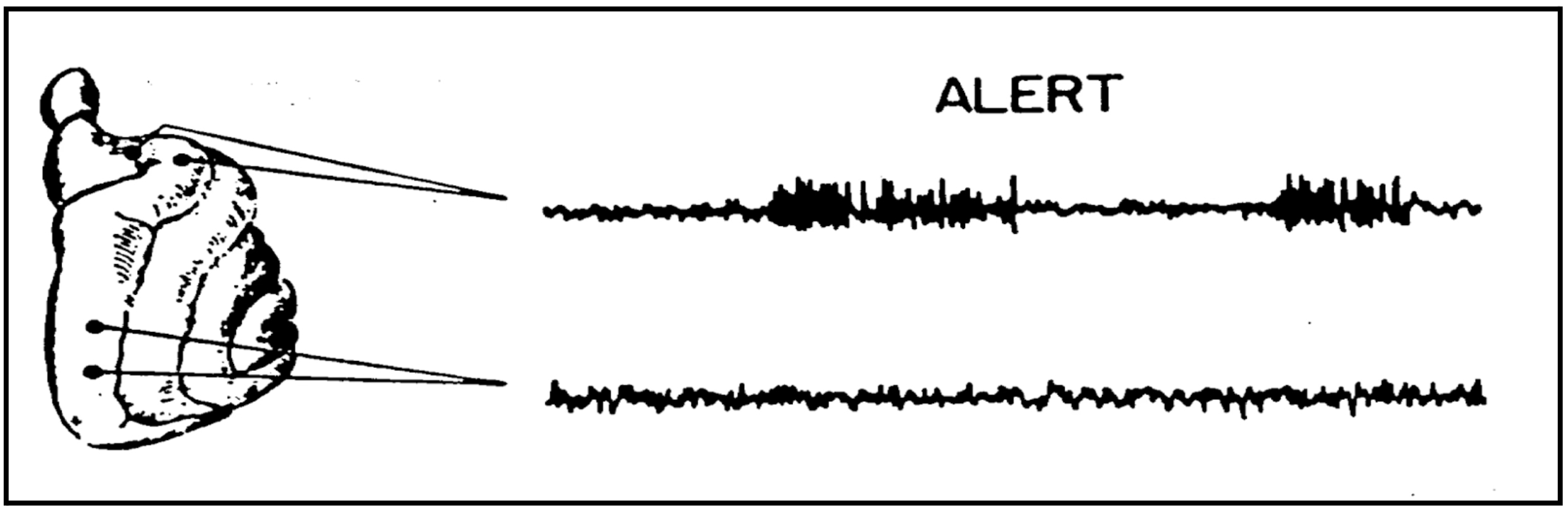
This year I was honored by the ISNR with the M.B. Sterman Career Achievement Award, which I accepted also on behalf of Sue Othmer. The award recognizes “thinking outside the box” as its first criterion. Barry received the award more than twenty years ago. Yet what distinguished Barry’s work is that he labored entirely […]
Can Endogenous Neuromodulation meet our society’s most critical needs?
Between January 2023 and December 2024, inpatient mental health claims increased by 80% in the US, while outpatient claims increased by 40%. This indexes a mental health crisis in our country of unprecedented scope. Here’s the context: Our national health status is worse than that of our peer countries, and it is declining in all […]
A Case of Chemical Injury and PTSD
by Carolyn McLuskie, MA, RCC and Siegfried Othmer, Ph.D.
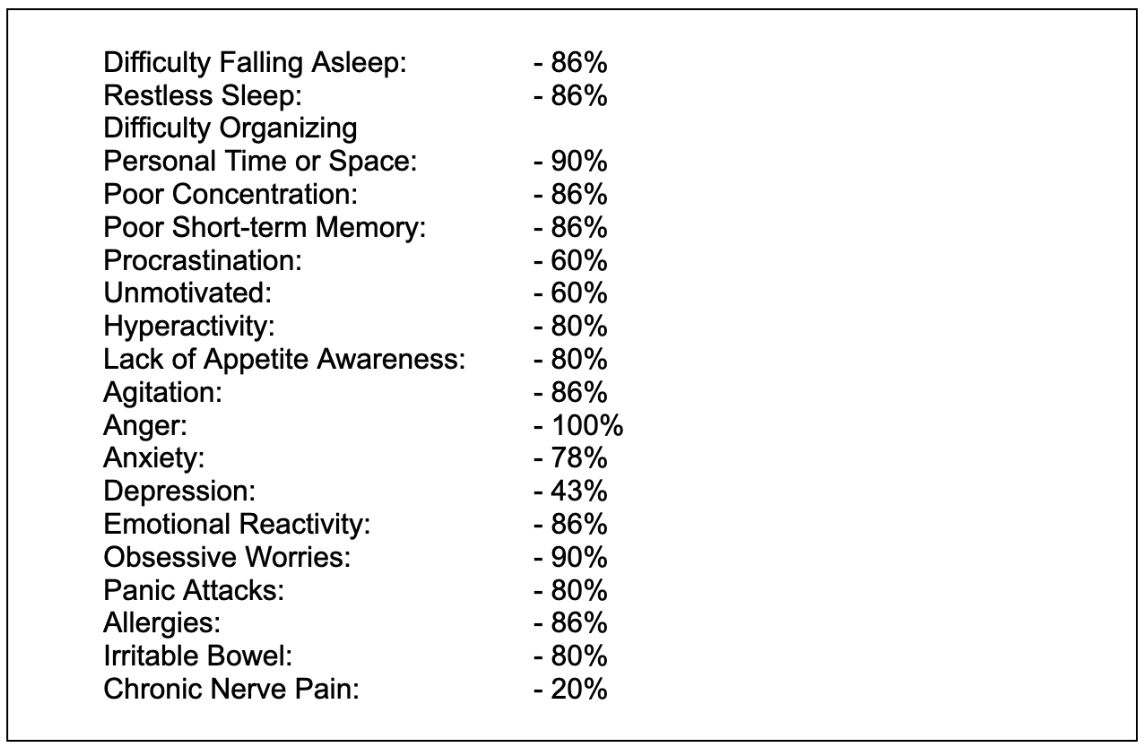
When someone comes for neurofeedback with severe symptoms, we are not likely to be confronted with a single, narrowly definable issue. In cases of chemical injury that significantly compromise health and functionality going forward, the issue is inherently complex because it quite naturally evokes a trauma response as well. The dearth of available remedies makes […]
An Open Letter to Mark A. Reger, Department of Veterans Affairs
Dear Dr. Reger: I just read your article in JAMA with great interest. I would like to draw your attention to a recent publication on a controlled study of neuromodulation in application to treatment-resistant PTSD that was completed recently at the VA Pacific Islands Health Care System in Honolulu. It recruited 87 participants. This was […]
Enhancing the effectiveness of neurofeedback for dementia and cognitive impairments through corrective doses of ascorbic acid.
Neurofeedback has established itself as a safe and effective technique that can enhance brain function–through improving the efficiency of the neural networks in the brain. It has proven its effectiveness in disorders such as epilepsy, ADHD, head injuries, learning disabilities, autism, mood instabilities, sleep and chronic pain. In such cases we are dealing with a […]