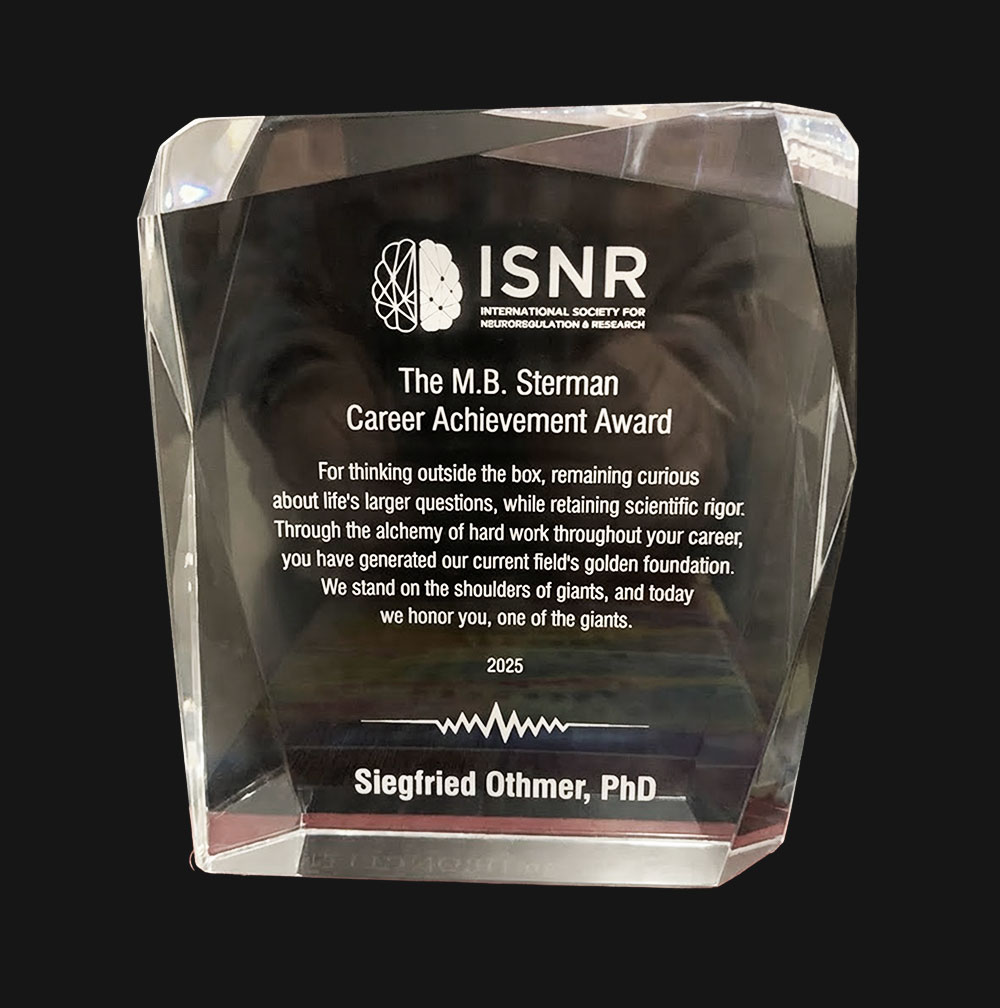
 This year I was honored by the ISNR with the M.B. Sterman Career Achievement Award, which I accepted also on behalf of Sue Othmer. The award recognizes “thinking outside the box” as its first criterion. Barry received the award more than twenty years ago. Yet what distinguished Barry’s work is that he labored entirely within the frame of established scientific methodology, as indeed he had to do to gain recognition for his discoveries with the scientific establishment. His thinking was rooted in Pavlovian classical conditioning, migrated to Skinner’s operant conditioning, and rested on Thorndike’s Law of Effect, all from the first half of the twentieth century. He was as orthodox a Skinnerian as Skinner himself.
Author: Siegfried Othmer
Since 1987 Siegfried Othmer has been engaged in research and development of clinical applications of EEG biofeedback. Currently he is Chief Scientist at the EEG Institute in Woodland Hills, CA. From 1987 to 2000 he was President of EEG Spectrum, and until 2002 served as Chief Scientist of EEG Spectrum International. Dr. Othmer provides training for professionals in EEG biofeedback, and presents research findings in professional forums. He has been involved continuously in the development of computerized instrumentation to provide EEG biofeedback training since 1985.
Can Endogenous Neuromodulation meet our society’s most critical health care needs?
Between January 2023 and December 2024, inpatient mental health claims increased by 80% in the US, while outpatient claims increased by 40%. This indexes a mental health crisis in our country of unprecedented scope. Here’s the context: Our national health status is worse than that of our peer countries, and it is declining in all age brackets. Our life expectancy is ranked lowest, as is our infant mortality rate (by a factor of two with respect to the average of our peers). This trend has been long underway. Back in 1991, the book titled “Betrayal of Health” was published that identified the usual culprits in our looming healthcare crisis: Personal behavior, nutrition-less food, toxics in the environment and in our agriculture, etc. A ‘biobehavioral’ remedy was urgently called for.
A Revisionist View of Neurofeedback

One reason that formal research on neurofeedback by people in the academic community hasn’t generally matched what is being accomplished clinically is surely that researchers tended to take the operant conditioning model seriously. Plainly, the rigorous instantiation of a ‘purist’ operant conditioning design of the original SMR-beta protocols leads to a rather inefficient training procedure. This can also be said of the original work of Sterman and Lubar, as they were doing their utmost to stay true to B.F. Skinner’s experimental design. Their work sufficed to provide the method a rigorous and sound foundation, but in the clinical realm such an inefficient method of brain training would be dead on arrival.
Research with Infra-Low Frequency Neurofeedback
ILF Neurofeedback Mechanisms and Neurophysiology
Othmer, S., and Othmer, S.F. (2024) Endogenous Neuromodulation at Infra-Low Frequency: Method and Theory, DOI: 10.20944/preprints202310.1085.v2
https://www.researchgate.net/publication/374784708_Endogenous_Neuromodulation_at_Infra-Low_Frequency_Method_and_Theory
Continue reading “Research with Infra-Low Frequency Neurofeedback”
On the Life of Brian Othmer
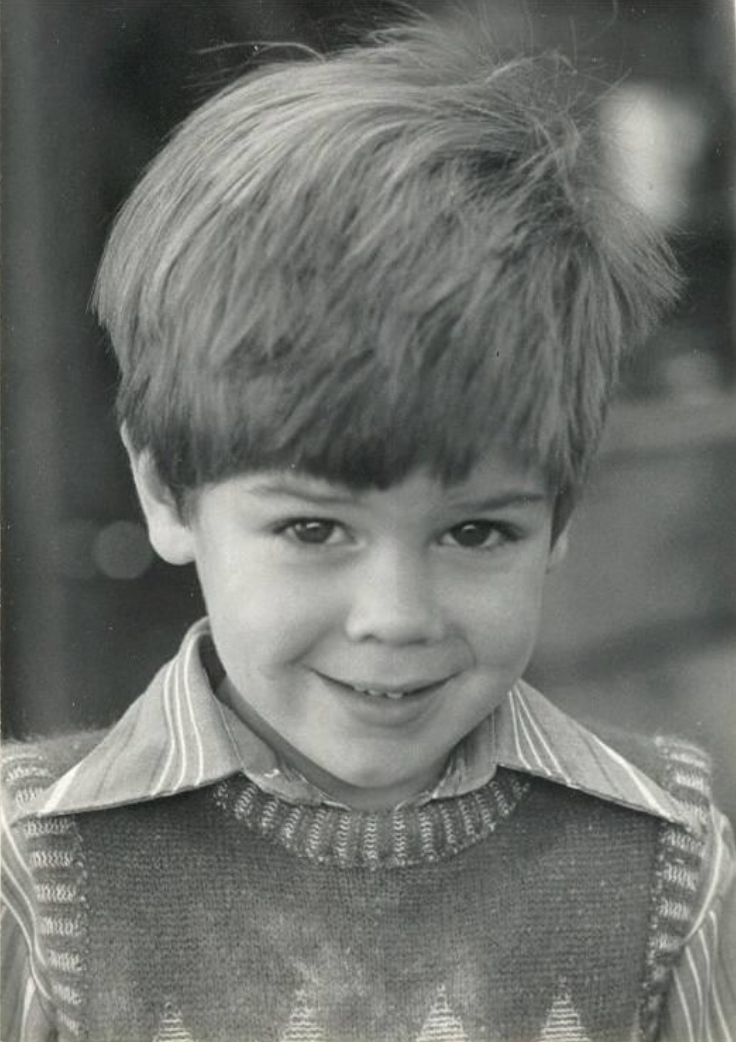
For many early neurofeedback professionals, the impetus to enter this field came through a compelling personal experience either with their personal training, that of a family member, or that of a client. And thus it was with us as well. In fact, our first encounter with neurofeedback through our son Brian remains a standout success even in the context of the subsequent third of a century of often ground-breaking clinical experience.
A new book by Dr. Mark Steinberg: “Overcome Anxiety: Break Free From Fear, Worry, Trauma, and Negative Thinking”
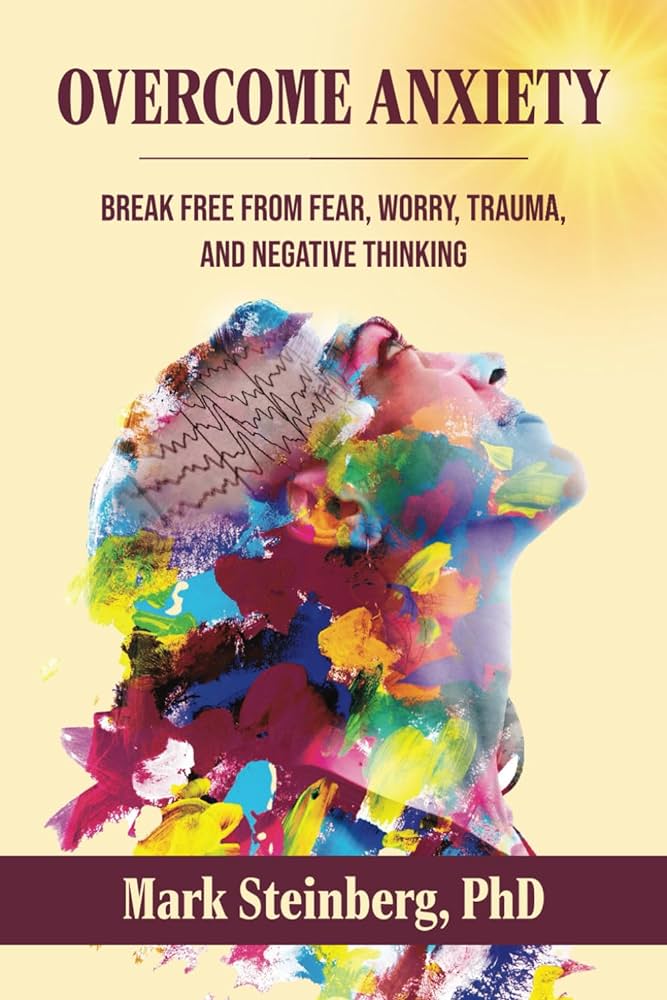
FOREWORD, by Siegfried Othmer
Our nation is experiencing a health crisis so pervasive that it is showing up in a decline of life expectancy. We now know this health predicament is rooted in a growing mental health crisis, which can hardly be captured better than by focusing on such an increasingly widespread affliction for which the prevailing remedies are largely unavailing: anxiety. Anxiety is an infirmity that has not been grasped and understood in its full essence. As we chip away at aspects of anxiety, its medical and psychological manifestations, respectively, the need for mind-body integration could hardly be more obvious. The concept had to be explicitly introduced into our discourse because it wasn’t naturally at home within the treating professions.