 An informal survey taken on a public website dealing with epilepsy has found a notable trend in the prescribing of anti-convulsant medication. Most people being treated for epilepsy have been tried on a significant number of different medications. The survey results are shown in Figure 1. Shown is the percentage of respondents who have taken the indicated number of medications over their treatment history. The bin labeled ’10’ includes everyone who has been prescribed at least ten different anti-epileptic drugs. The modal value is ’10,’ so those diagnosed with epilepsy are more likely to have been prescribed ten or more medications than any lesser value. The total number of participants in the survey was 177.
No doubt each of these medications required several visits to the neurologist, plus some blood work and perhaps an EEG every now and then. Also we may assume that most of the ten or more medications will have been abandoned along the way because it is unusual for someone to be on more than three AEDs at a time. So one may judge that at least 70% of the ten or more medications were not worth keeping in the mix. That indicates a fairly low hit rate on the medications.
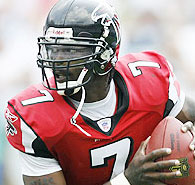 Two events coalesced recently in my mind—the rehabilitation of Michael Vick and the riot at Chino prison in California. The second of these is tied to a third, namely the directive under which the State of California finds itself to reduce its prison population by 43,000 inmates in short order. Michael Vick hails from my alma mater, Virginia Tech, which for some reason makes his criminal behavior more my issue than it would be otherwise. He has attempted to express contrition about his past behavior, but the statements might well have been prepared by his lawyer. He said everything that he might be expected to say, and he’ll no doubt go forth with his cue cards and speak on behalf of the Humane Society as he promised.
 At a town hall gathering, the elderly gentleman pleads: “I like Medicare. Don’t let the government take it over.” Where, then, does one start the conversation about health care? President Jefferson said that it would take an educated populace to secure democracy. That’s grounds to worry. There’s probably nothing one can say to the ranters that would bring them back into the conversation. We do have something to say, however, to the insurance companies that are stealthily fomenting this nonsense while they publicly give lip service to the insurance reform effort.
 It goes without saying that mainstream thinking about neurofeedback to date has been mistaken. The original attempts at replication of Kamiya’s work on alpha training for anxiety were misguided in their methodology and in their conclusions. The rejection of Sterman’s and Lubar’s collective body of work was a blunder of the first magnitude. The continued dismissal of the claims of neurofeedback in the face of mounting evidence is indefensible. On the other hand, nothing here really surprises. A paradigm shift of such magnitude will be resisted by the mainstream on all fours. Everything has gone true to the historical pattern with respect to scientific revolutions.
 The near-win of Tom Watson at the British Open Golf Tournament at the age of 59 gives us the impetus to address the issue of healthy aging. Everywhere the elderly are sticking around, in careers, in positions of power, and even in sports where youthful eyeballs, strength, and stamina confer an advantage. The present concern about the looming health care crisis, however, focuses us ever on the other part of the spectrum, the gradually deteriorating health status of the elderly. Our present system of health care seems to do well at keeping people alive, but often with very little quality of life. With an ever growing contingent of the elderly, the costs keep creeping up, but the return on our societal investment keeps diminishing. The movement toward healthy aging not only promises to increase the return on that investment, but it also gives hope of making inroads into the cost of health maintenance itself. Read on.